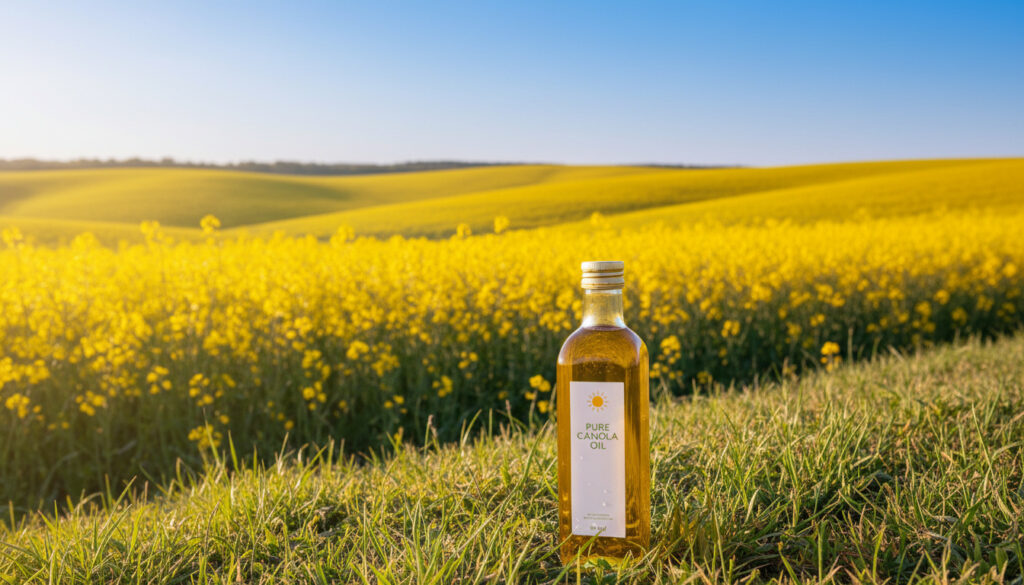
Is Canola Oil Bad for You – Facts, Risks and Benefits
Canola oil occupies a controversial position in modern nutrition discourse. Derived from rapeseed through selective breeding in Canada during the 1970s, it now dominates restaurant kitchens and processed food manufacturing. Research presents conflicting narratives: some studies highlight cholesterol-lowering benefits, while animal research raises inflammation concerns.
The oil’s ubiquity makes scrutiny essential. While it offers omega-3 fatty acids and vitamins, questions persist regarding industrial processing, genetic modification, and its role in dietary omega-6 overload. Understanding the evidence requires separating industry-sponsored claims from independent research.
Current analyses reveal a complex nutritional profile. Canola oil contains significant polyunsaturated fats and a relatively favorable omega-6 to omega-3 ratio of 2:1, yet its widespread inclusion in packaged foods contributes to broader dietary imbalances.
Is Canola Oil Bad for Your Health?
| Advantages | Concerns | Optimal Uses | Substitutes |
|---|---|---|---|
| Low saturated fat content | High omega-6 contribution to diet | High-heat cooking applications | Olive oil |
| 9-11% omega-3 (ALA) | Industrial processing methods | Baking and frying | Avocado oil |
| Vitamins E and K | GMO prevalence | Processed food manufacturing | Cold-pressed canola |
| Phytosterols (0.9%) | Animal study inflammation findings | Neutral-flavor recipes | Butter or ghee |
- Contains a 2:1 omega-6 to omega-3 ratio, better than many seed oils
- Western diets operate at 15-20:1 ratios, making additional omega-6 sources problematic
- Animal studies link heated canola oil to inflammatory markers
- Industry funding creates conflicts of interest in positive health studies
- Hexane residues in refined oil measure 0.8 ppm with minimal documented risk
- Cold-pressed varieties avoid chemical extraction but remain difficult to source
- Genetic modification dominates commercial production, enabling herbicide use
| Nutrient | Per Tbsp (14g) | Significance |
|---|---|---|
| Calories | 124 | Energy dense |
| Total Fat | 14g | 100% fat composition |
| Saturated Fat | 1g | Lower than animal fats |
| Omega-6 | 2.8g | Linoleic acid content |
| Omega-3 (ALA) | 1.3g | 9-11% of oil content |
| Vitamin E | 16% DV | Antioxidant properties |
| Vitamin K | 8% DV | Blood clotting support |
| Phytosterols | 0.9% by weight | Reduces cholesterol absorption |
| Smoke Point | 400-450°F | Suitable for high-heat cooking |
| Hexane Residue | ~0.8 ppm | Trace processing remnants |
Is Canola Oil Inflammatory or Linked to Chronic Disease?
Animal Research on Inflammatory Markers
2018 research demonstrated that heated canola oil generated compounds increasing inflammatory markers in rats. A 2020 study on large yellow croaker fish revealed diets exceeding 6% rapeseed oil triggered inflammatory responses and liver impairment. Additional rodent research indicated shortened lifespans and elevated blood pressure compared to soybean oil diets.
The Omega-6 Imbalance Problem
While canola oil itself maintains a 2:1 omega-6 to omega-3 ratio, its widespread inclusion in packaged foods contributes to dietary imbalances. The typical Western diet operates at a 15-20:1 ratio, far exceeding the ideal 1:1 balance. Such disparities correlate with chronic conditions including cardiovascular disease, Alzheimer’s, and mood disorders.
Current inflammatory findings derive exclusively from animal studies. These results cannot be directly extrapolated to human health outcomes without clinical validation.
GMO and Processing Concerns with Canola Oil
Industrial Extraction and Hexane Use
Commercial production employs solvent extraction using hexane to maximize yields. Heat application during processing affects oil stability, potentially creating trans fats while degrading omega-3 content. Harvard’s Nutrition Source indicates that refined vegetable oils contain approximately 0.8 milligrams of residual hexane per kilogram. Ingestion from food sources represents less than 2% of total hexane exposure compared to environmental sources like gasoline fumes.
Genetic Modification and Agricultural Chemicals
The majority of commercial canola crops are genetically modified to tolerate herbicides like glyphosate. Research links high glyphosate exposure to hormone disruption and gut microbiome alterations. However, comprehensive systematic reviews specifically examining GMO canola safety remain unavailable in current literature.
Refined vegetable oils contain approximately 0.8 ppm residual hexane. No evidence substantiates health risks from these trace concentrations in foods.
Nutritional Profile and Potential Benefits of Canola Oil
Cardiovascular Markers
Canola oil-based diets demonstrate reduced plasma cholesterol levels compared to saturated fat alternatives. Phytosterols present at approximately 0.9% by weight inhibit cholesterol absorption. The oil delivers vitamins E and K, supporting antioxidant functions and blood coagulation.
Fatty Acid Composition
The oil contains 9-11% omega-3 fats (ALA), positioning it favorably among cooking oils. Its high smoke point (400-450°F) suits various culinary applications without rapid degradation.
Cold-pressed canola oil avoids hexane extraction and high-heat processing, preserving omega-3 content. However, such products remain expensive and difficult to locate in standard retail environments.
The Evolution of Canola Cultivation
- : Canadian scientists breed rapeseed varieties low in erucic acid and glucosinolates, creating “canola” (Canadian oil, low acid).
- : Commercial production expands with high-oleic acid varieties developed for stability.
- : Genetic modification introduced to create herbicide-tolerant strains, now dominating commercial crops.
- : Industry marketing emphasizes heart-healthy omega-3 content despite processing concerns.
- : Independent research begins examining inflammatory effects and industry funding biases.
What is Proven and What Remains Uncertain?
| Established Information | Information Requiring Further Study |
|---|---|
| Canola oil reduces cholesterol vs saturated fats | Long-term human inflammatory effects |
| Hexane residues at 0.8 ppm pose minimal risk | GMO canola safety in human consumption |
| Omega-6:Omega-3 ratio of 2:1 in the oil itself | Safe daily consumption thresholds |
| Animal studies show inflammation at high doses | Comparative benefits versus olive/avocado oil |
| Vitamins E and K present in measurable quantities | Industry-sponsored study reliability |
| Widespread GMO prevalence in commercial crops | Clinical translation of rodent lifespan data |
Understanding Canola Oil’s Place in Modern Diets
Developed through conventional breeding in Canada during the 1970s, canola oil emerged as a low-saturated-fat alternative to traditional cooking fats. Its neutral flavor and high smoke point facilitated rapid adoption by food manufacturers seeking versatile ingredients. The 48 Inches in Feet – Exact 4 Feet Conversion Guide provides context for measurement standards used in nutritional labeling, though the oil’s prevalence stems from agricultural economics rather than metric considerations.
Global production now relies heavily on genetically modified variants designed for herbicide tolerance. This agricultural shift occurred alongside processing innovations utilizing chemical solvents for maximum extraction efficiency. The resulting product offers caloric density and fatty acid content distinct from traditional animal fats or cold-pressed alternatives.
Research Sources and Quality Concerns
There is no evidence to substantiate any risk or danger to consumer health when foods containing trace residual concentrations of hexane are ingested.
Harvard T.H. Chan School of Public Health, Nutrition Source
Independent analysis reveals significant limitations in existing literature. Multiple studies promoting health benefits receive industry sponsorship, creating potential conflicts of interest. The 5.2 Feet in CM – Exact Conversion to 158.496 cm illustrates the precision required in scientific measurement, yet canola oil research lacks equivalent rigor in human clinical trials.
Systematic reviews from major health authorities such as the FDA, American Heart Association, and Mayo Clinic remain absent from recent literature regarding specific daily intake limits.
Summary of Current Evidence
Canola oil presents a dichotomous nutritional profile: genuine cholesterol-lowering benefits coexist with legitimate concerns about omega-6 contribution to dietary imbalances and inflammatory potential in animal models. While processing residues pose minimal documented risks, the ubiquity of this oil in processed foods amplifies its impact on overall fatty acid ratios. Consumers seeking to minimize concerns might prioritize cold-pressed varieties or alternative oils, though comparative clinical evidence remains incomplete.
Frequently Asked Questions
How much canola oil is safe per day?
Research does not establish definitive daily limits. Moderate use within balanced diets appears acceptable, though those monitoring omega-6 intake should consider total consumption from all sources.
Is organic canola oil better?
Organic varieties avoid synthetic pesticides and GMOs, though they may still undergo high-heat processing unless explicitly cold-pressed.
Canola oil for frying?
The high smoke point (400-450°F) makes it technically suitable, though repeated heating may generate inflammatory compounds according to animal studies.
Does heating canola oil make it toxic?
2018 research indicates heated canola oil produced inflammatory markers in rodents, but human toxicity thresholds remain unestablished.
Is canola oil better than generic vegetable oil?
Canola typically offers more favorable omega-3 content and lower saturated fat than blended vegetable oils, though both share processing concerns.
Can you be allergic to canola oil?
Allergic reactions are rare but documented, typically affecting individuals with specific seed protein sensitivities.
More related posts
 50 Grams to Cups – Accurate Conversions for Flour, Sugar & More
 Elon Musk: Diagnoses, Wealth, Sleep, IQ & Trillionaire
 Anniversary Gifts for Him, Her & Couples in Ireland
 Anaida Poilievre: Biography, Family, and Languages
 Belle Burden Divorce Memoir: Ex-Husband, Age, and Scandal
 Cast of 9-1-1: Main Actors, Salaries, and Real-Life Partners
 Seth Meyers A Closer Look: Where to Watch Latest Episodes
 Phoebe Dynevor: Bridgerton Exit, Ed Sheeran Video & More
