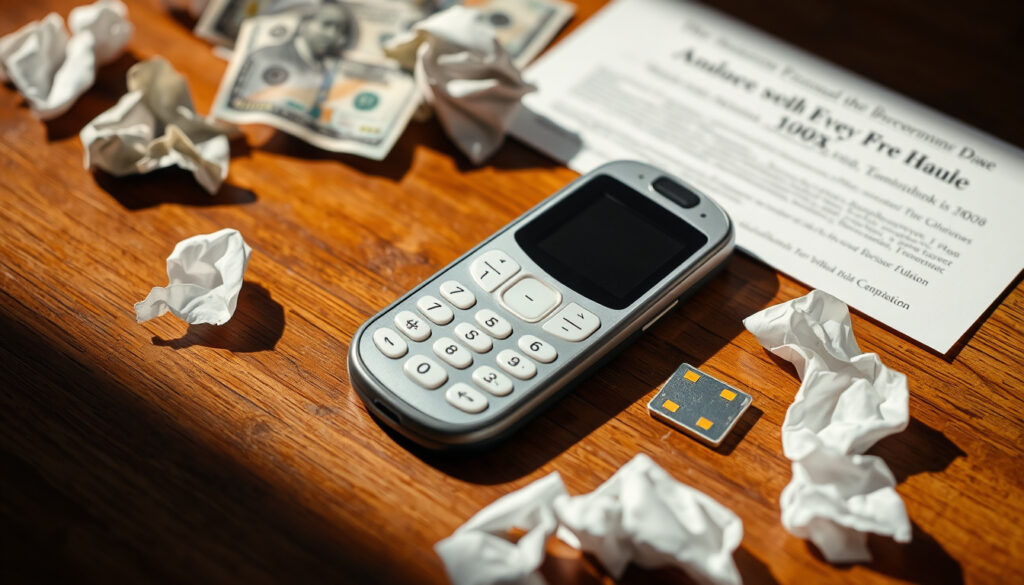
What Is a Burner Phone? How It Works, Uses & Legality
Hollywood portrays burner phones as untraceable gadgets that criminals snap in half after one call. Reality is far messier: these prepaid devices offer limited privacy in 2026, yet they remain legal, accessible, and genuinely useful for legitimate purposes like protecting journalistic sources or avoiding telemarketers.
Primary purpose: Temporary anonymous communication · Typical type: Prepaid disposable mobile phone · Common use cases: Privacy protection, short-term needs · Legal status: Legal in most jurisdictions · Traceability: Possible by authorities, harder for individuals
Quick snapshot
- Burner phones are prepaid devices with no long-term contract (Burner App)
- No US federal law requires ID to purchase one (OneRep)
- They offer anonymity for casual privacy purposes (NordVPN)
- Exact success rate of non-expert tracing attempts
- How different countries enforce SIM registration rules
- Future regulations that may affect availability
- 2013: Hemisphere Project revealed for burner tracking via AT&T
- 2020–2025: Virtual burner numbers gain traction
- 2026: Physical burner privacy effectiveness declining
- Virtual burner numbers replacing physical devices
- Data retention laws reducing anonymity further
- Increased carrier monitoring in 2026
Five core facts define what a burner phone is and how it operates.
| Label | Value |
|---|---|
| Definition | Inexpensive prepaid phone for temporary use |
| Ownership | No long-term carrier contract |
| Anonymity level | High for casual use, not absolute |
| Legal | Yes, with responsible use |
What is a burner phone? How they work and when to use one
A burner phone is a disposable prepaid mobile device purchased at stores, intended to be used briefly and then discarded. Unlike traditional mobile phones tied to contracts and credit checks, burner phones follow the pay-as-you-go principle — you buy airtime credits in advance with cash or card, and when the balance runs out, the phone becomes useless or gets thrown away (NordVPN Privacy Blog).
The core appeal is anonymity. Buying with cash avoids linking the device to your personal identity, which makes burner phones useful for journalists protecting sources, travelers avoiding roaming fees, or anyone who wants to keep their primary number private from telemarketers or ex-partners (NordVPN Privacy Blog). SIM registration may be required in some countries, but no legal commitment to a carrier exists.
Burner phones typically have limited GPS functionality and fewer smart features, which actually reduces location tracking compared to modern smartphones. You can still make calls, send texts, and sometimes access basic data — but don’t expect app stores or social media integration.
When to use a burner phone
- Privacy protection from telemarketers or stalkers
- Short-term travel where you don’t want your primary SIM active
- Separating work and personal communications
- Maintaining source confidentiality for investigative work
- Protecting identity during sensitive transactions
Burner phones bypass some third-party monitoring for calls and texts, but modern carrier monitoring and data retention laws mean they’re far less effective than they were even five years ago. Your anonymity is partial at best.
Is a burner phone legal?
Burner phones are legal to own and use in most countries for legitimate purposes. No US federal law requires ID to buy a burner phone, and average citizens can purchase them freely at convenience stores, gas stations, or electronics retailers (OneRep). The ACLU has documented how these devices are legal for privacy purposes — but legal use remains the key qualifier.
Using a burner phone to commit crimes doesn’t become legal just because you’re using a prepaid device. Fraud, harassment, drug trafficking, and terrorism all remain illegal regardless of what phone you use. Law enforcement agencies have tools specifically designed to track burner phones, which we’ll cover later.
Regional variations matter. The EU has stronger digital privacy laws that limit border device searches compared to the US. US Customs and Border Protection (CBP) can search phones at borders without a warrant, and refusing may lead to detention (AFAR). If you’re traveling internationally with sensitive communications, understanding your destination country’s laws matters.
The legal landscape creates a clear trade-off: burner phones offer privacy for responsible users while remaining accessible to anyone — including bad actors. That dual nature explains why government surveillance programs target these devices specifically.
Do burner phones still exist?
Yes, burner phones still exist as physical prepaid devices, but their relevance is declining. Virtual burner numbers — app-based services that provide temporary phone lines — have gained significant traction over physical devices (Mono Live). The cost is lower and convenience is higher with virtual options, making physical burners increasingly niche.
For those still seeking physical devices, prepaid phones remain available at Walmart, Amazon, and convenience stores. Brands like Nokia, Samsung, and Motorola offer basic models in the $15–$50 range. These devices work on the same networks as smartphones, but with fewer smart features and lower costs.
Modern alternatives
- Virtual burner numbers (Hushed, Burner, TextNow)
- Google Voice numbers for temporary use
- Prepaid SIM cards for existing unlocked phones
- Signal or other encrypted messaging apps with disposable numbers
Physical burner phones require a separate device and cost more than virtual alternatives, while virtual burner numbers offer convenience but depend on an internet connection and may leave more digital traces than a dedicated prepaid device.
How to tell if someone has a burner phone?
Detecting a burner phone isn’t straightforward, but several signs may indicate someone is using one. Physical indicators include basic feature phones (not smartphones), devices that only make calls and send texts, and phones that appear infrequently or only during specific situations.
Behavioral patterns matter more than physical inspection. Someone who insists on using a different number for certain calls, switches phones frequently, or only uses their mobile device during specific hours may be using a burner. Parents concerned about teen behavior might notice sudden “new” phones or unexplained devices.
Signs of burner phone usage
- Basic phone features without smartphone apps
- Pay-as-you-go billing or prepaid cards
- Device only used for specific contacts
- Phone appears and disappears unpredictably
- Limited data usage or no app store access
Parent’s guide to secret phones
If you’re concerned about a teen having a secret phone, look for physical signs like devices without family shared plans, phones hidden in bags or rooms, or unexplained charging habits. Many burner phones are basic flip phones or low-end devices, so they stand out from typical smartphones. However, respect privacy concerns and consider whether the underlying issue (trust, safety) needs a different approach than surveillance.
“Burner phones are like superheroes. They have their day jobs as prepaid, functional phones for the average citizen.” — Burner App
Can a burner phone be traced?
Yes, burner phones can be traced — by authorities, at least. The idea that short-term use guarantees privacy is increasingly outdated (Mono Live). Burner phones are traceable via device ID, SIM card information, and network logs that carriers must retain under data retention laws.
The US government has used the Hemisphere Project, an AT&T-government partnership, to identify burner phones through massive call records databases. This program sifts through phone records of vast numbers of people to locate the tiny number who evade law enforcement by using burners — and it operates without judicial supervision (ACLU). The government has concealed this data’s origins from criminal defendants.
For regular people without specialized tools, tracing a burner phone is much harder. You might recognize a number, but connecting it to a specific person requires access to carrier records or law enforcement resources.
Does it have its own number?
Yes, every burner phone comes with a unique prepaid number. Unlike burner’s fictional depiction where numbers change instantly, real burner phones have fixed numbers until you destroy the SIM or stop paying for service. The number is what appears on the recipient’s phone, and burner apps can forward calls to hide your real number — showing only the burner on their bill (Burner App).
Data retention laws require providers to store records, which directly reduces burner anonymity. The moment you make a call or send a text, a log exists somewhere. The question isn’t whether records exist — it’s who can access them and under what circumstances.
Pros and cons of burner phones
Upsides
- No contract or credit check required
- Purchasable with cash for anonymity
- Protects primary phone number from telemarketers
- Useful for short-term travel or temporary projects
- Low cost ($15–$50 for basic devices)
- Can be destroyed when no longer needed
Downsides
- Limited features compared to smartphones
- Traceable by law enforcement via device ID and SIM
- Privacy effectiveness declining due to carrier monitoring
- Data retention laws reduce anonymity
- Physical devices cost more than virtual alternatives
- No app access or advanced functionality
How to get a burner phone
Acquiring a burner phone is straightforward in most jurisdictions.
- Choose your device: Basic prepaid phones start at $15–$50 from Walmart, Amazon, convenience stores, or carrier stores. Look for brands like Nokia or Motorola.
- Purchase with cash (optional): If maximum anonymity matters, pay with cash. Credit or debit cards link purchases to your identity.
- Activate the phone: Insert the SIM, power on, and follow activation prompts. Some require calling a number or entering a code.
- Add airtime: Buy prepaid credit cards or reload at retail locations. Some providers accept cryptocurrency for added privacy.
- Use and dispose: When finished, remove the SIM and destroy it, or simply stop adding credits. The phone becomes useless.
“To locate the tiny number of people who evade law enforcement agents by using burners, an AT&T-government partnership is sifting through sensitive phone records of vast numbers of people.” — ACLU
What’s confirmed vs. still unclear
Research confidence is medium: we have solid data on legal status and technical capabilities, but specific regional enforcement varies.
Confirmed facts
- Burner phones are prepaid devices with no contract
- No US federal ID requirement for purchase
- Legal for legitimate privacy purposes
- Traceable by authorities via device ID and SIM
- Privacy effectiveness declining due to carrier monitoring
What’s still unclear
- Exact traceability success rate for non-experts
- How strictly different countries enforce SIM registration
- Future regulations that may affect availability
Related reading: Gmail breach protection steps · Free cloud storage comparison
Burner phones provide disposable anonymity for calls and texts, much like the Tor Browser shields online activity from tracking and surveillance.
Frequently asked questions
Does a burner phone have its own number?
Yes, every burner phone comes with a unique prepaid number. Unlike movie portrayals where numbers change instantly, real burner phones have fixed numbers until you destroy the SIM or stop paying for service. (Burner App)
What can you access on a burner phone?
Basic features: calls, text messages, and sometimes limited web browsing. Most burner phones lack smartphone capabilities like app stores, social media, or advanced cameras. (Greip.io security blog)
Are burner phones still a thing?
Yes, physical burner phones still exist, but virtual burner numbers have largely replaced them for most users due to lower costs and higher convenience. (Mono Live tech analysis)
What is a burner phone in movies?
Films like The Wire popularized burner phones as instant-anonymity devices that criminals use to evade detection. Reality is different: burner phones have traceable numbers, and government programs like the Hemisphere Project can identify users through carrier records. (ACLU surveillance report)
How much do burner phones cost at Walmart?
Basic prepaid phones at Walmart range from $15–$50 depending on brand and features. Top-up cards for airtime typically cost $10–$100 and can be purchased as needed. (NordVPN Privacy Blog)
What is the best burner phone?
For physical burners, Nokia basic phones (C02, 110) offer reliability at low cost. For virtual numbers, apps like Hushed, Burner, or TextNow provide more flexibility. The best option depends on your threat model and whether you need a dedicated device. (Burner App)
Is there an untraceable burner phone?
No. Burner phones can be traced via device ID, SIM information, and network logs. Data retention laws require carriers to store records, and government programs like the Hemisphere Project can identify users. Total anonymity doesn’t exist for cellular devices. (Hide.me security guide)
More related posts
 How to Start a Workout Plan for Beginners: Mayo Clinic 5 Steps
 Sha Carri Richardson: Career, Net Worth, and Relationship Details
 Nelly Korda: Biography, Net Worth, Relationship & Career
 Grok AI: Free Access, Safety, and ChatGPT Comparison (2025)
 Richard Ayoade: Biography, Career, Family & Net Worth
 Lil Tecca: Age, Net Worth, Famous Song, and Biography
 Andy Byron Net Worth 2025: Salary, Wife, and Career
 Benfica vs Chelsea FC Lineups – Confirmed XIs, Injuries & Tactics
