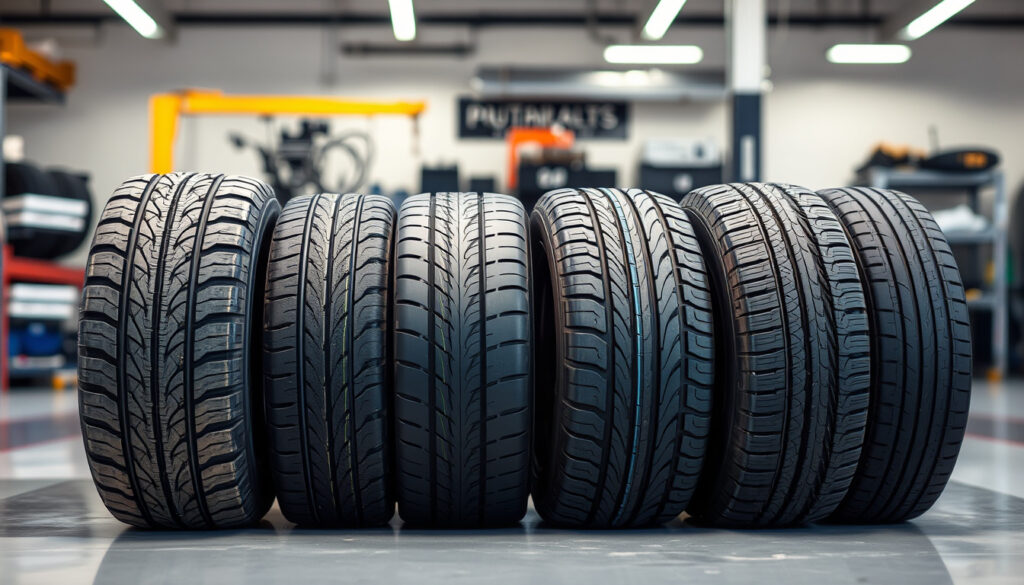
Tire Comparison Guide: How to Compare Tires Side by Side
If you’ve ever typed a sidewall code into a search box and watched a calculator return a long string of numbers, you know the question immediately: will this tire actually change anything besides the way the wheel fills the fender? Tire size calculators exist to make that answer visual by converting a code like P225/55R17 into sidewall height, diameter, circumference, and speedometer error.
Diameter difference threshold: ±3% recommended ·
Most searched phrase: “tire size comparison” ·
Average speedometer error: 2–5%
Key facts at a glance
The key facts below summarize the most important points to understand before using a tire size calculator.
| Topic | What matters |
|---|---|
| Tire code format | P225/55R17 = width / aspect ratio / radial / rim diameter |
| Calculator output | Diameter, width, sidewall, circumference, revolutions per mile, speedometer change |
| Diameter rule | Keep new tires within ±3% of the original tire’s diameter |
| Best comparison type | Side-by-side visual comparison with speedometer error, not just a single tire size |
| Speedometer impact | Changing overall diameter changes distance per revolution, which changes speedometer reading |
| Search intent | Most results are interactive calculators and visualizers, not long editorial pages |
Pros of using a dedicated tire size calculator
- Instant conversion of tire codes to dimensions
- Side-by-side comparison highlights speedometer error
- Visual tools help confirm wheel-well clearance
- Free, no specialized equipment needed
Cons of relying only on a calculator
- Does not account for suspension travel or steering lock
- May not include all vehicle-specific OEM variations
- Visual tools vary in accuracy of scaled rendering
- Thresholds like ±3% are guidelines, not guarantees
Confirmed facts
What a good calculator shows
- Calculator.net’s side-by-side tire calculator compares two tires and reports diameter, circumference, speedometer error, and revolutions per mile.
- Les Schwab’s tire-size guide converts metric measurements to inches and shows width, sidewall, diameter, circumference, and revs per mile.
Why side-by-side comparison matters
- Search results for this topic are dominated by interactive tools, not text-heavy articles.
- Wheel-Size.com supports visual wheel and tire comparison, not just numeric output.
Three confirmed thresholds
- ±3% diameter difference is the common fitment threshold used by tire service guides.
- 2–5% speedometer error is realistic when tire diameter changes.
- Speedometer error is easier to understand when the calculator also shows revolutions per mile.
Visual tools add context
- InfinityCalculator’s tire-size tool provides a visual side-by-side view.
- AmericanTrucks’ tire calculator adds wheel-size and visual context for truck and off-road planning.
What Does a Tire Size Calculator Actually Do?
If you search for a tire size comparison, the first page looks less like an article and more like a toolbox. That’s because the search intent is practical: people want a calculator that lets them plug in two sizes and see the difference. Most top results are interactive calculators or visualizers, not explainer posts.
- Calculator.net’s tire tool compares two tire sizes and shows how diameter, circumference, and speedometer reading change.
- Les Schwab’s tire guide converts metric measurements to inches for diameter, width, sidewall, circumference, and revs per mile.
- InfinityCalculator’s tool frames the output visually, not just as a set of numbers.
The important thing is what these tools do with the code. A tire code like P225/55R17 is not random. The “225” is width in millimeters, “55” is sidewall height as a percentage of width, “R” means radial construction, and “17” is the wheel diameter in inches. Once a calculator separates those numbers, it can compare a current tire against a proposed one.
How to Compare Tire Sizes Side by Side?
Side-by-side comparison involves measuring diameter, width, sidewall height, circumference, and revolutions per mile for two tires. Using a visualizer tool like Wheel-Size.com’s visualizer helps see dimensional differences in wheel-well context so you can judge clearance at a glance.
How Does a Tire Size Comparison Calculator Work?
Calculators use the tire code — width, aspect ratio, wheel diameter — to compute overall diameter, circumference, and revolutions per mile. They compare two tire sizes and display differences in diameter and speedometer reading, often with an estimate like “2–5% error” when the new tire is larger or smaller than stock.
Calculator.net’s tool is a reference calculator: it gives you the numbers you need to compare two tire sizes without guessing.
Calculator.net (tire-size reference calculator)
Les Schwab’s calculator guide is built around the practical question of whether a new tire will change how the vehicle sits, rolls, and measures speed.
Les Schwab (tire retailer and service chain)
What Do the Numbers on My Tire Mean?
Reading a tire code is a little like reading a short spec sheet. The code tells you width, sidewall ratio, construction type, and wheel size almost immediately.
Reading a tire code
- Tire code example:
P225/55R17 - Three-part structure: width → aspect ratio → wheel diameter
- Common passenger sizes: 15–20 inch rim diameters
Here is the same code read from left to right:
| Code part | Meaning | Example |
|---|---|---|
| Full example | Passenger tire, 225 mm wide, 55 sidewall, radial, 17-inch rim | P225/55R17 |
| P | Passenger vehicle service type | P |
| 225 | Section width in millimeters | 225 mm |
| 55 | Sidewall height as a percentage of width | 55% of 225 mm |
| R | Radial construction | R |
| 17 | Wheel diameter in inches | 17 inches |
What changes when a number changes
- Wider tire: more contact patch, usually more grip but also more rolling resistance.
- Lower aspect ratio: shorter sidewall, firmer ride, quicker steering response, but less cushion.
- Taller overall diameter: changes ground clearance and speedometer reading.
Les Schwab’s calculator guide makes the conversion easy because it shows sidewall height and diameter together. That is the information you need when you are trying to keep the overall diameter close to the factory spec.
How to Read a Tire Size Comparison Chart?
Charts typically list tire width, aspect ratio, diameter, sidewall height, and circumference for each size. They help identify whether a different size maintains proper clearance and speedometer accuracy by showing the numeric differences side by side, often with a column for “speedometer error at 60 mph” to make the trade-off clear.
How Does Changing Tire Size Affect My Car?
Speedometer and speedometer error
A 2–5% speedometer error is realistic when tire diameter changes.
When the tire’s overall diameter changes, the distance traveled per wheel revolution changes too. That means the speedometer reading drifts even when the wheels spin at the same speed as before. Calculator.net’s side-by-side tool makes this one of the primary outputs, which is exactly what you want when comparing an everyday tire against a taller or shorter option.
Fuel, handling, and ride comfort
- Wider tires can improve grip, but they also increase rolling resistance and fuel consumption.
- Lower-profile tires sharpen handling but make the ride firmer because the sidewall has less air volume to absorb bumps.
- Taller sidewalls improve comfort but can make the car feel less connected on center.
AmericanTrucks’ calculator is built with wheel and tire context in mind, which helps with truck and off-road builds where the ride height and wheel well clearance are part of the decision.
The ±3% fitment rule
Keep the new tire’s diameter within ±3% of the original tire’s diameter to reduce speedometer error and clearance surprises.
This is one of the first rules that tire shops use when a customer wants a larger tire without a full recalibration. The ±3% threshold is a practical guideline rather than a guarantee, because wheel width, offset, and suspension all play a role in actual fitment.
How to Compare Motorcycle Tires?
Motorcycle tire comparison focuses on size, load index, speed rating, and tread pattern. Different tire profiles — round versus triangular — affect lean angle and stability, so a dedicated motorcycle tool like Tire Reviews’ bike calculator helps riders pick the correct rear and front combination without compromising cornering clearance.
How to Choose the Right Tire Size for My Car?
The fastest way to choose a tire size is to start with the stock code and work from there. The stock code already tells you the wheel diameter, the section width, and the sidewall ratio that the manufacturer designed for that vehicle.
A simple comparison workflow
- Find the stock tire code on the sidewall or driver’s door jamb.
- Enter that code into Calculator.net’s tool or Les Schwab’s calculator.
- Compare the proposed size against the stock size.
- Check overall diameter, circumference, and speedometer error.
- Use a visual comparison tool like Wheel-Size.com or InfinityCalculator to check clearance context.
What to compare when you are choosing
- Diameter: how much taller or shorter the new tire is.
- Speedometer error: how far the speedometer will be off at highway speed.
- Revolutions per mile: the number that changes when overall diameter changes.
- Visual clearance: wheel wells, suspension components, and steering range.
If the side-by-side calculator shows the diameter difference and the speedometer change in the same output, you are using the right kind of tool.
What Are the Best Tire Size Comparison Tools?
The good news is that you do not need a spreadsheet. The tools below all pull from the tire code to show real dimensions. That is also the catch: not all of them show visual comparisons.
Each tool handles the tire code a little differently, and that difference matters when you are deciding between two close sizes.
| Tool | What it compares | Best for |
|---|---|---|
| Calculator.net | Diameter, circumference, speedometer error, revs per mile | Quick numeric side-by-side comparison |
| Les Schwab | Width, sidewall, diameter, circumference, revs per mile | Understanding the tire code in plain language |
| Wheel-Size.com | Wheel and tire fitment with a visual comparison | Visual context for wheel well and suspension clearance |
| InfinityCalculator | Visual side-by-side tire comparison | Free quick visual comparisons |
| AmericanTrucks | Tire size and wheel size with visual chart | Truck and off-road tire planning |
What separates a good tool from a generic one
- Side-by-side diameter comparison
- Speedometer error as an explicit output
- Revolutions per mile
- Visual comparison, not just numbers
The pattern: the best tools all do the same core job — convert a tire code into dimensions and compare the result. They differ in how much visual and fitment context they add.
What is the Best Tire Comparison Website?
Top sites include TireSize.com’s comparison tool, Tire Rack’s upgrade garage comparison, and Calculator.net’s tire calculator for comprehensive tools. Look for side-by-side visual comparison, speedometer impact calculator, and user reviews from verified purchasers — those features separate a reliable site from a generic tool.
If you want to keep things simple, start with the tire code on your door jamb. Look up the stock code in Calculator.net, then compare the proposed size with a visual tool like Wheel-Size.com. That gives you the two things you actually need: a numeric difference and a visual representation of how the wheel and tire will fit.
What’s unclear about tire comparisons
- Which single tire brand is universally best depends on driving conditions.
- The exact impact of tread pattern on wet grip varies by tire model.
inchcalculator.com, infinitycalculator.com, discounttire.com, tirewheelguide.com, car-editor.com, fitmentindustries.com
Frequently asked questions
What does a tire size calculator do?
A tire size calculator reads your tire code and produces dimensions like sidewall height, overall diameter, circumference, and revolutions per mile. A side-by-side tire size calculator also compares two tires and reports the difference in speedometer reading.
What does 225/55R17 mean?
In a code like P225/55R17, “P” means passenger vehicle, “225” is the section width in millimeters, “55” is the sidewall height as a percentage of width, “R” means radial construction, and “17” is the wheel diameter in inches.
How much tire size difference is acceptable?
The practical fitment guideline is to keep the overall diameter change within ±3%. That helps reduce speedometer error and helps avoid clearance problems.
Does tire size affect the speedometer?
Yes. When the overall diameter changes, the distance traveled per wheel revolution changes, so the speedometer reading changes even though the wheels are spinning at the same speed.
Why use visual tire comparison tools?
Visual tools like Wheel-Size.com and InfinityCalculator help you see how a proposed tire and wheel combination will fill the wheel well. That context matters because two tires can have the same width but different sidewall profiles and diameters.
What should I type into a tire size calculator?
Type in the tire code from the sidewall or the driver’s door jamb. A basic code like P225/55R17 is enough for most passenger-vehicle comparisons.
More related posts
 Alexis Arquette: Life, Death, and Transgender Legacy
 Rosanna Arquette: Biography, Family, Net Worth, and Controversies
 Ludivine Reding: Biography, Age, Family, and Career Facts
 The Metals Company Stock (TMC): Price, Forecast & Buy Guide
 Girona vs Real Madrid: H2H Record, 2023 Upset & Latest News
 Jon Hamm: Health, Sobriety, Marriage & More Facts
 What Is MCV in Blood Test? Normal Range, High & Low Meanings
 Jim Henson Cause of Death, Personal Life & Legacy
