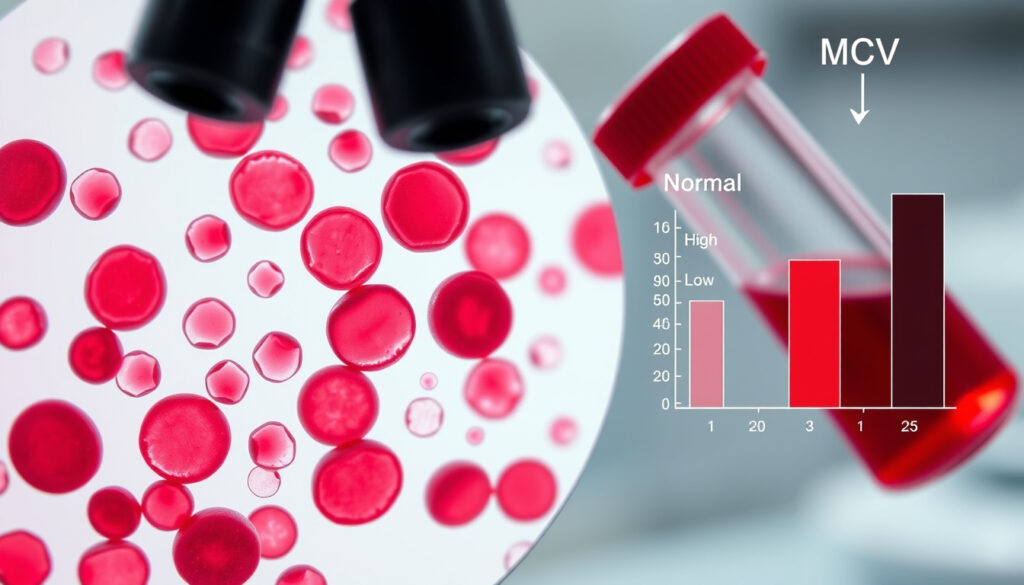
What Is MCV in Blood Test? Normal Range, High & Low Meanings
If your doctor has ever mentioned MCV on a blood test report, you probably nodded and moved on—without knowing exactly what it means. MCV stands for Mean Corpuscular Volume, and it’s one of the numbers on your Complete Blood Count that tells you something important about the size of your red blood cells. Most adults fall between 80 and 100 femtoliters, but that range isn’t universal across every population or lab.
Normal MCV range: 80–100 fL · High MCV threshold: >100 fL (macrocytosis) · Low MCV threshold: <80 fL (microcytosis) · Part of: Complete Blood Count (CBC)
Quick snapshot
- Normal MCV range is 80–100 fL (Cleveland Clinic)
- High MCV (>100 fL) signals macrocytosis (Labcorp OnDemand)
- Low MCV (<80 fL) signals microcytosis (Labcorp OnDemand)
- Exact publication dates for most regional studies beyond Pakistan (2021)
- Pediatric and elderly MCV reference ranges
- Longitudinal changes in MCV over time
- More population-specific reference intervals expected
- Greater emphasis on regional lab standards globally
| Field | Value |
|---|---|
| Full name | Mean Corpuscular Volume |
| Units | Femtoliters (fL) |
| Test type | CBC component |
| High indicates | Larger red blood cells |
| Low indicates | Smaller red blood cells |
What is a normal MCV level?
For most adults in the United States, a normal MCV falls between 80 and 100 femtoliters (fL), according to the Cleveland Clinic and Labcorp OnDemand. This is the standard range used by most American laboratories, though values can shift slightly depending on the specific lab, a patient’s age, and their overall health.
Typical range for adults
- 80–100 fL: Normal range (most common standard)
- Above 100 fL: Macrocytosis (larger-than-normal red cells)
- Below 80 fL: Microcytosis (smaller-than-normal red cells)
Even if your MCV sits comfortably within the normal range, you can still have anemia—which is why doctors look at MCV alongside hemoglobin, hematocrit, and other CBC markers (Cleveland Clinic).
Factors affecting normal values
Reference ranges aren’t one-size-fits-all. Research published in PMC shows that MCV values vary meaningfully across populations: Ethiopian adults averaged 77.9–93.8 fL, while Ghana showed 72–97 fL and Pakistan blood donors had a male mean of 84.584 fL. This means a result flagged as “high” in an American lab might fall squarely within normal for someone from Ethiopia or Ghana.
According to MedlinePlus (an NIH resource), an MCV outside the expected range doesn’t always signal a problem—it depends on age, diet, activity level, and other individual factors. Labs may also adjust their reference intervals based on the population they serve.
The implication: Using standard reference intervals based on Western populations can lead to misdiagnosis for patients from other backgrounds.
What does it mean if your MCV is high?
When your MCV exceeds 100 fL, doctors call it macrocytosis—meaning your red blood cells are larger than normal. According to Everlywell, this pattern often points to macrocytic anemia, where the oversized cells don’t function as efficiently.
Common causes like B12 deficiency
- Vitamin B12 deficiency: One of the most frequent triggers for high MCV
- Folate deficiency: Another leading cause of macrocytosis
- Alcohol use: Chronic drinking often produces elevated MCV
- Thyroid issues: Both underactive and overactive thyroid can affect MCV
- Medications: Certain chemotherapy drugs and other medications
The WebMD resource explains that B12 deficiency, folate deficiency, liver disease, leukemia, and chemotherapy drugs are among the primary culprits behind an elevated MCV reading.
Alcohol and liver links
High MCV frequently appears in people with liver disease or a history of heavy alcohol use. The Ubie Health clinical resource notes that alcohol directly affects red blood cell maturation, leading to larger-than-normal cells. If your MCV is elevated and you drink regularly, your doctor may investigate liver function more closely.
Cancer associations
A high MCV alone does not diagnose cancer. Leukemia and certain cancers can cause macrocytosis, but so can many benign conditions. doctors use elevated MCV as a signal to investigate further, not as a standalone diagnosis.
“Think of red blood cells as delivery trucks carrying oxygen. If the trucks are too small or too large, they may not deliver oxygen efficiently.”
— Labcorp OnDemand
What this means: Doctors interpret elevated MCV as a diagnostic clue pointing toward several possible conditions ranging from nutritional deficiencies to organ dysfunction.
What does it mean if my MCV is low?
An MCV below 80 fL indicates microcytosis—red blood cells that are smaller than typical. According to Everlywell, this pattern most often signals microcytic anemia, where the undersized cells carry less hemoglobin and deliver oxygen less efficiently.
Iron deficiency anemia
The most common cause of low MCV is iron deficiency anemia. Healthgrades explains that when your body lacks sufficient iron, it produces smaller red blood cells, driving MCV downward. This can result from poor dietary intake, blood loss (heavy menstruation, ulcers), or problems absorbing iron in the gut.
Thalassemia risks
- Thalassemia is a genetic condition affecting hemoglobin production
- Often causes microcytosis even with normal iron levels
- Distinguished from iron deficiency via additional tests (iron studies, hemoglobin electrophoresis)
- More common in people of Mediterranean, African, and Southeast Asian descent
Per Ubie Health, low MCV most often signals iron deficiency, blood loss, or thalassemia—but doctors must run follow-up tests to determine which condition is responsible.
Symptoms to watch
Low MCV often accompanies fatigue, weakness, shortness of breath, pale skin, and cold hands or feet. These symptoms reflect reduced oxygen-carrying capacity in the blood. If you’re experiencing these signs alongside a low MCV reading, Labcorp OnDemand recommends discussing iron studies and further evaluation with your healthcare provider.
“It’s neither better to have a high MCV nor a low MCV. Ideally, you want to have a normal MCV that falls between 80 and 100 fL.”
— WebMD For more information, see the Dosi d’ivermectina per a humans. Dosi d’ivermectina per a humans
What level of MCV indicates liver disease?
Elevated MCV frequently shows up in people with liver disease, though there’s no single MCV value that definitively points to a liver condition. The Centers Urgent Care resource notes that liver disease, B12/folate deficiency, and chemotherapy drugs are among the conditions associated with MCV above 100 fL.
Alcohol-related macrocytosis
Chronic alcohol consumption is one of the most well-documented causes of elevated MCV linked to liver health. Alcohol interferes with red blood cell maturation in the bone marrow, leading to macrocytosis even before frank liver disease develops. The WebMD resource confirms that liver disease is a recognized cause of high MCV.
Fatty liver connections
- Non-alcoholic fatty liver disease (NAFLD) can be associated with elevated MCV
- The connection is stronger with alcohol-related liver disease
- Doctors typically order liver function tests alongside MCV for comprehensive assessment
- Imaging (ultrasound, CT, MRI) confirms fatty liver diagnosis
Region-specific reference intervals are increasingly important in clinical practice. As documented in PMC research, laboratory reference intervals often based on European or American populations may not fit patients from other backgrounds, leading to potential over- or under-diagnosis.
When to worry about MCV levels?
A single abnormal MCV reading isn’t usually cause for alarm. According to Healthgrades, results outside the 80–100 fL range typically prompt repeat testing or additional blood work before any diagnosis is made.
High MCV red flags
- Sustained elevation over multiple blood tests
- MCV significantly above 100 fL (e.g., >110 fL)
- Accompanied by symptoms: fatigue, numbness, balance problems, jaundice
- Combined with abnormal liver function tests or low B12/folate
Low MCV concerns
- Persisting below 80 fL across multiple tests
- Symptoms of anemia: extreme fatigue, dizziness, pale skin
- Signs of iron deficiency or blood loss
- Family history of thalassemia or hemoglobin disorders
Next steps with your doctor
If your MCV is abnormal, your doctor will likely order follow-up tests: iron studies, B12 and folate levels, liver function tests, or a reticulocyte count to determine whether your bone marrow is responding appropriately. The MedlinePlus resource emphasizes that age, diet, activity level, and medications all influence MCV, so context matters when interpreting results.
For most people, an isolated MCV reading outside the normal range warrants a conversation with your healthcare provider—but rarely warrants panic. The Cleveland Clinic confirms that MCV is one piece of a larger diagnostic puzzle, and doctors interpret it alongside your symptoms, medical history, and other blood markers.
Regional variation in MCV reference ranges
Three regional patterns stand out in the literature.
| Population | MCV Range/Mean | Source |
|---|---|---|
| USA (standard) | 80–100 fL | PMC |
| Northeast Ethiopia | 77.9–93.8 fL (overall); males 76.6–92.3 fL | PMC |
| Ghana | 72–97 fL | PMC |
| Kenya | 68.8–97.2 fL | PMC |
| Pakistan (males) | 84.584 fL mean (2021 study) | PJMH |
| Turkey | 86.7 fL mean | MedCrave |
| Rural Haiti | Lower than US references | Oxford Academic |
Patients from African, Asian, or Caribbean backgrounds may receive “abnormal” MCV results based on American reference ranges, even when their values are normal for their population. Doctors who understand these differences avoid unnecessary referrals and anxiety.
Related reading
- HIV Symptoms in Women: Early Signs, Stages & Testing
- How to Start a Workout Plan for Beginners: Mayo Clinic 5 Steps
Physicians often interpret MCV alongside MCH blood test results to diagnose anemias from B12 deficiency or iron issues accurately.
Frequently asked questions
What is MCH in blood tests?
MCH stands for Mean Corpuscular Hemoglobin. It measures the average amount of hemoglobin in your red blood cells. Like MCV, it’s part of the CBC and helps doctors classify types of anemia.
What is MCHC in blood tests?
MCHC stands for Mean Corpuscular Hemoglobin Concentration. It shows the average concentration of hemoglobin in your red blood cells, helping distinguish between different types of anemia.
What is MPV in blood tests?
MPV stands for Mean Platelet Volume. It measures the average size of your platelets, which play a role in clotting. Abnormal MPV can indicate inflammatory conditions or bone marrow disorders.
How is MCV measured?
MCV is calculated by dividing hematocrit (the percentage of blood that’s red cells) by the red blood cell count. Modern analyzers measure this directly using electrical impedance or optical scattering technology.
Can diet affect MCV?
Yes. Diets low in iron can lower MCV over time, leading to microcytosis. Diets lacking vitamin B12 or folate can raise MCV, causing macrocytosis. A balanced diet helps keep MCV in the normal range.
Does high MCV always mean cancer?
No. While certain cancers (like leukemia) can cause high MCV, much more common causes include B12 deficiency, folate deficiency, alcohol use, thyroid problems, and certain medications. Doctors investigate high MCV with additional tests before considering cancer.
What are fatty liver symptoms?
Fatty liver often causes no symptoms in early stages. As it progresses, you may experience fatigue, weakness, abdominal discomfort, or jaundice. An elevated MCV combined with other liver markers may prompt your doctor to order imaging tests.
For patients reviewing their CBC results, the takeaway is straightforward: MCV between 80 and 100 fL signals healthy red blood cell size for most American labs, but population-specific ranges exist. A reading outside that window triggers investigation into underlying causes—most commonly iron deficiency for low MCV and B12/folate issues for high MCV. The patient who brings their MCV result to a doctor and asks about context is already asking the right question.
More related posts
 James Taylor: Folk-Rock Legend & Cricketer – Biography
 MSN Canada Breaking News: Latest Headlines and Live Updates
 Fred Ewanuick: Biography, Ethnicity, and Where He Is Now
 What Happened to Corey Harrison? Crash, Debt & Family Dispute
 50 Grams to Cups – Accurate Conversions for Flour, Sugar & More
 Tire Comparison Guide: How to Compare Tires Side by Side
 Exotic Car Rental in Torbay: Prices, Options & Requirements
 Isabelle Weidemann: Olympic Gold Medal Speed Skater
