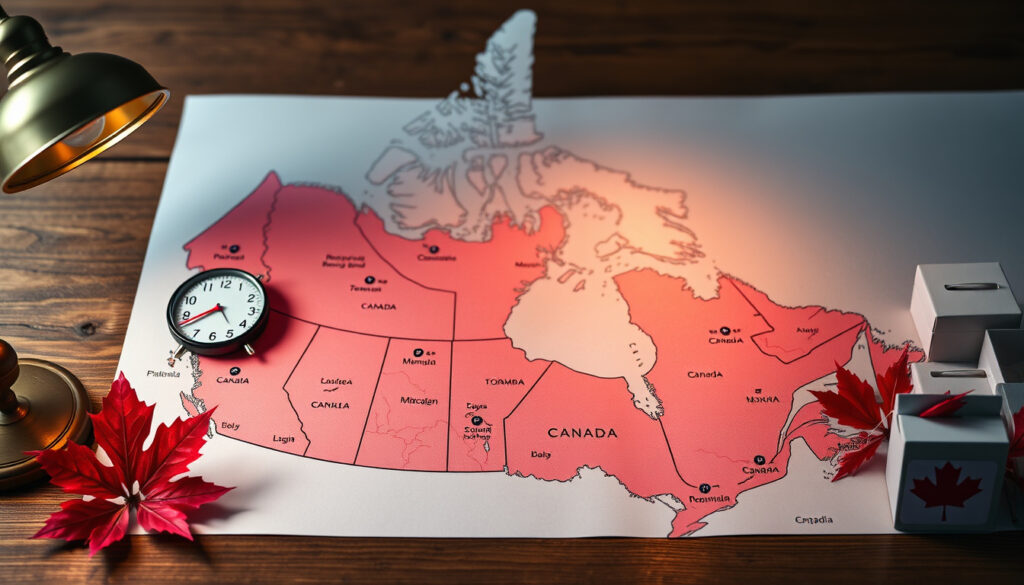
When Do Polls Close in Canada – Provincial Closing Times
When Do Polls Close in Canada? Your Complete Guide to Voting Times
If you’re heading to the polls during Canada’s next federal election, knowing exactly when polls close is essential. Nothing is more disappointing than arriving at your voting station only to find the doors have already closed. This comprehensive guide provides everything you need to know about poll closing times across every province and territory.
Canada operates under a distributed voting system, meaning poll hours vary depending on where you vote. Federal elections follow standardized closing times that account for the country’s multiple time zones, but provincial elections may have different schedules. Understanding these variations before election day can prevent any last-minute surprises.
Poll Closing Times by Time Zone
Polls in Canada close at different times based on your location within the country’s six time zones. Federal elections typically see polls close at in most regions, with earlier closing times in locations where polls open later due to time zone considerations. The Eastern time zone, which encompasses Ontario and Quebec, follows the standard 7:00 p.m. closing, while the Atlantic provinces operate on Atlantic Time with their own adjusted schedules.
Yukon maintains the earliest closing time in the country at (7:00 p.m. PT), while Nunavut’s multiple time zones mean schedules vary significantly across the territory. Northwest Territories polls typically close at , which translates to 9:00 p.m. ET during daylight saving time periods.
Key Insights for Voters
One of the most important things to remember is that polls remain open until the official closing time, even if lines extend beyond that point. If you are in line when polls close, you will still be permitted to vote. This is a critical protection for voters and has been upheld in numerous elections.
Advance polls operate on different schedules, typically opening earlier in the morning and closing later in the evening on specific days before election day. These additional voting opportunities run from to local time on the designated advance polling dates. Many Canadians find these times more convenient for their schedules.
| Province/Territory | Poll Closing Time | Time Zone |
|---|---|---|
| Ontario | 7:00 p.m. ET | Eastern Time |
| Quebec | 7:30 p.m. ET | Eastern Time |
| British Columbia | 7:00 p.m. PT | Pacific Time |
| Alberta | 7:00 p.m. MT | Mountain Time |
| Saskatchewan | 7:00 p.m. CT | Central Time |
| Manitoba | 7:00 p.m. CT | Central Time |
| Nova Scotia | 8:30 p.m. AT | Atlantic Time |
| New Brunswick | 8:30 p.m. AT | Atlantic Time |
| Prince Edward Island | 8:30 p.m. AT | Atlantic Time |
| Newfoundland and Labrador | 8:30 p.m. NT | Newfoundland Time |
| Yukon | 7:00 p.m. PT | Pacific Time |
| Northwest Territories | 7:00 p.m. MT | Mountain Time |
| Nunavut | Varies by community | Multiple zones |
Understanding Quebec’s Unique Schedule
Quebec operates on a half-hour offset from standard Eastern Time, meaning polls close at rather than the typical 7:00 p.m. This difference exists because Quebec historically maintained its own time zone convention. The additional 30 minutes provides voters with slightly more flexibility compared to neighboring Ontario and other provinces.
This scheduling quirk means that Quebec results often come in later than those from other major provinces, which can create dramatic moments when tight races hinge on late-reporting ballot boxes from Quebec’s ridings. Political analysts pay close attention to Quebec turnout numbers as results from the province can shift projections significantly.
Special Voting Periods and Deadlines
Beyond standard polling hours, Elections Canada offers several special voting mechanisms. Mail-in ballots must be requested in advance and typically must arrive at the appropriate electoral office by on election day, regardless of when polls close in your area. These special ballots undergo the same counting procedures as regular ballots but require additional processing time.
Special ballot voters include military personnel stationed overseas, Canadians living abroad, and individuals who may be incapacitated. These votes are counted separately and reported after the main results, which can occasionally shift close races in exceptional circumstances.
How to Find Your Specific Polling Station
Elections Canada provides an online voter information service that allows you to enter your postal code and receive exact details about your designated polling station, including the address and any accessibility information. The service also confirms your voter registration status and provides directions if needed. You can access this information through the official Elections Canada website in the weeks leading up to an election.
Your voter information card, which is mailed to all registered voters before an election, contains your polling station details as well. However, it’s always wise to verify this information online as stations can occasionally change due to venue availability or other logistical factors.
Why Poll Closing Times Matter
The timing of poll closings has significant implications for election reporting and democracy itself. Media organizations often deploy teams across multiple time zones to report results as they come in, with western polling stations becoming the focus of attention once eastern results are largely known. This staggered reporting can influence voter turnout in later-closing jurisdictions if early projections suggest certain outcomes.
Critics have occasionally raised concerns about this reporting gap, suggesting that voters in western provinces may feel their votes carry less weight when outcomes appear decided before their polls have even closed. However, Canadian election law prohibits the publication of election results from any region until all polls in that time zone have closed, helping to maintain the integrity of the democratic process. For more information on when polling stations close in Canada, consult Horari de tancament de les meses electorals al Canadà.
What Experts Say
“Understanding the mechanics of when and how to vote removes one of the most common barriers to participation. Canadians who know their polling schedule are significantly more likely to exercise their right to vote.”
— Canadian election policy research organizations
“The distributed nature of Canadian polling times reflects our country’s geographic diversity while maintaining consistent access to democracy across all regions.”
— Electoral reform discussions and analysis
Summary: Key Takeaways
Polls in Canada close at different times depending on your province or territory, ranging from 7:00 p.m. in most regions to 8:30 p.m. in Atlantic Canada. Quebec operates on its own schedule, closing polls at 7:30 p.m. ET. Advance polls offer extended hours on designated days before election day.
Always verify your polling station location before election day using the official Elections Canada website or your voter information card. Remember that being in line when polls close entitles you to vote, regardless of how long the queue extends. Special voting arrangements exist for those unable to vote in person on election day.
Frequently Asked Questions
What time do polls close in Ontario?
Polls in Ontario close at 7:00 p.m. Eastern Time during federal elections. Make sure to arrive before this time to ensure you can cast your ballot.
Can I vote if I’m in line when polls close?
Yes, if you are standing in line when polls close, you will still be permitted to vote. This protection applies to all Canadian voters regardless of location.
What time do advance polls close?
Advance polls typically operate from 12:00 p.m. to 8:00 p.m. local time on the designated advance voting days. These hours are consistent across all Canadian time zones.
How do I find my polling station?
You can find your designated polling station by entering your postal code on the official Elections Canada website or by checking the voter information card mailed to your address before the election.
Are poll hours the same for provincial elections?
Provincial elections may have different poll hours than federal elections. Each province sets its own schedule, so it’s important to verify the times for your specific provincial election.
More related posts
 James Spader Movies and TV Shows – Complete Filmography and Best Roles
 Ricky Hatton Death Cause, CTE Diagnosis & Legacy
 Carlie Irsay-Gordon: Colts CEO, Net Worth & Family
 Chelsea Peretti: Brooklyn Nine-Nine Exit, Ethnicity & Marriage
 San Juan Puerto Rico Travel Guide: Safety, Cost & Best Time
 Girona vs Real Madrid: H2H Record, 2023 Upset & Latest News
 Stefano Faita: Biography, Recipes, and Career Today
 JonBenet Ramsey Case: Key Evidence, Theories, and Latest Updates
